苯磷硫胺(Benfotiamine)是一種維生素B1的合成形式。人體能夠迅速將苯磷硫胺轉換為硫胺素(Thiamine),而硫胺素對腦部功能至關重要,並且必需以滿足能量需求【1】。補充苯磷硫胺可能對治療如糖尿病神經病變(神經疼痛)及阿茲海默症有幫助,但仍需更多研究加以證實【1】。
苯磷硫胺與硫胺素:有何關聯?
苯磷硫胺是一種膳食補充劑,能在體內轉化為硫胺素。硫胺素參與腺苷三磷酸(ATP)的生成,這是細胞儲存能量所需的分子【2】。
硫胺素每日建議攝取量如下【3】:
- 成年男性:1.2 毫克
- 成年女性:1.1 毫克
- 懷孕及哺乳期:1.4 毫克
苯磷硫胺可能有助於改善因硫胺素缺乏而引起的問題。
誰有缺乏風險?
當攝取不足或身體無法正常消化、吸收硫胺素時,可能出現缺乏。硫胺素缺乏在美國較為罕見,但以下族群風險較高【2】【4】:
- 酒精依賴者
- 消化系統疾病(如腸躁症IBS)患者
- HIV或愛滋病患者
- 糖尿病患者
- 肝臟疾病患者
- 慢性腎臟病患者
- 肥胖者
- 曾接受減重手術者
此外,一些藥物(如利尿劑Lasix,呋塞米)也可能導致缺乏。另有部分人天生帶有影響硫胺素吸收的基因缺陷【5】。
硫胺素缺乏的症狀
人體無法自行合成維生素B1,必須依賴飲食或補充劑。苯磷硫胺可幫助預防缺乏症狀【2】:
- 視力模糊
- 記憶力減退
- 精神混亂、譫妄
- 疲勞
- 四肢刺痛或灼熱感
- 消化不適(噁心、嘔吐、食慾不振)
- 易怒
苯磷硫胺的健康用途
抗氧化與抗發炎
苯磷硫胺具有抗氧化特性,可保護細胞免於氧化壓力損傷,並可能具有抗發炎作用。動物研究顯示它在胃潰瘍、發炎、肌力等方面有潛在功效【6】。
心臟健康
硫胺素對細胞能量代謝很重要,足夠的水平可保護心臟與心肌功能【7】。
嚴重缺乏會導致「腳氣病」,其「濕性」類型可能造成心衰竭與水腫,甚至危及生命【7】。
神經系統
研究表明,苯磷硫胺有助於神經衝動傳導,並在動物研究中展現抗發炎效果【7】。
其他研究發現包括:
- 硫胺素影響神經傳導物質的運作,對腦部功能及發育至關重要【8】。
- 「乾性」腳氣病可造成肌肉與反射衰弱,導致神經病變,常見於糖尿病患者。
- 嚴重缺乏時,可能引發韋尼克-柯沙可夫症候群,造成不可逆的腦部損傷【9】。
免疫系統
硫胺素參與T細胞的生成,這是免疫系統的重要組成部分,發生於胸腺【8】。
苯磷硫胺也可能透過抗氧化與抗發炎作用支持免疫功能,但仍需更多研究。
憂鬱症
低硫胺素水平與憂鬱症狀相關。在中國一項涵蓋超過1500名老年人的研究中,硫胺素濃度低與憂鬱症狀嚴重程度有關【8】。
其他研究顯示,補充硫胺素六週後,憂鬱症狀有所改善【8】。
阿茲海默症
阿茲海默症是一種退化性腦病,症狀包括【10】:
- 記憶力持續惡化
- 判斷力下降
- 物品遺失
- 容易迷路
- 情緒與個性改變
硫胺素可能與腦中澱粉樣斑塊的形成有關,而苯磷硫胺可能因具較佳生物利用度而展現療效【1】。
2020年一項涵蓋70位患者的研究顯示,每日兩次補充300毫克、為期12個月,可提升硫胺素水平並改善認知功能【11】。另一項僅有5名受試者的研究也顯示認知改善,但仍需更多數據支持【12】。
酒精使用相關
酒精使用障礙者常見硫胺素缺乏,臨床上經常補充以治療【13】。
研究持續評估營養支持及苯磷硫胺對神經病變與酒精相關症狀的潛在作用。
糖尿病
部分研究顯示,糖尿病患者常有硫胺素缺乏。雖然尚不清楚補充苯磷硫胺能否改善血糖控制,但研究指出其對血脂有幫助【14】。
糖尿病神經病變
糖尿病患者因高血糖導致血管損傷,引發神經病變,症狀包括【15】:
- 足部疼痛或感覺減弱
- 小腿灼熱或刺痛
- 平衡與協調能力下降
苯磷硫胺能抑制糖尿病併發症的標誌物「糖基化終產物」(AGEs)【16】。由於硫胺素缺乏也會引起神經痛,補充苯磷硫胺可能有助於症狀改善【17】。
然而,目前臨床數據有限,六項臨床試驗的綜合回顧結論並不一致【17】。
BENDIP研究發現,每日兩次服用300毫克可改善症狀,但每日一次則無顯著效果【18】。
糖尿病視網膜病變
2025年的一項研究顯示,苯磷硫胺可搭配他汀類藥物,減少AGE生成,並減緩神經與血管損傷【16】。另有研究探討其對糖尿病腎病變的潛在益處【19】。
白內障
研究探討維生素與營養素對眼睛健康的影響,其中包括預防白內障【20】【21】。
部分研究顯示,硫胺素水平較高者,白內障風險較低【22】。但結果不一致,其他營養素如維生素A與維生素D可能證據更強【23】。
副作用
短期研究顯示,苯磷硫胺與安慰劑相比,副作用發生率相似。最大劑量為每日1200毫克,連續10天【24】。
可能的副作用包括:
- 肝酵素升高
- 血壓升高
- 竇性心動過緩
- 心跳加快
- 白血球數升高
- 蛋白尿
目前未有嚴重副作用的報告,但多數研究僅限短期,長期安全性數據不足。孕婦、哺乳期婦女與兒童的使用尚未確定安全性。
劑量建議
目前尚無明確的安全有效劑量建議。
多數糖尿病研究使用每日兩次,每次300毫克的劑量。部分研究最高達每日900毫克,也未出現重大問題【11】。
苯磷硫胺含有硫,對硫過敏者應避免使用【1】。
其他補充資訊
- 活性成分:S-苯甲醯硫胺單磷酸
- 別名:Benphothiamine、Betivina、Benzoylthiamine monophosphate、Benfotiamina、Benfotiaminum【25】
- 法規狀態:美國為非處方(OTC)補充劑
- 建議劑量:每日兩次,每次300毫克【11】
相互作用
目前對苯磷硫胺與藥物或食物的潛在交互作用所知不多。請注意,你也可能從日常食物中攝取到硫胺素,例如【2】:
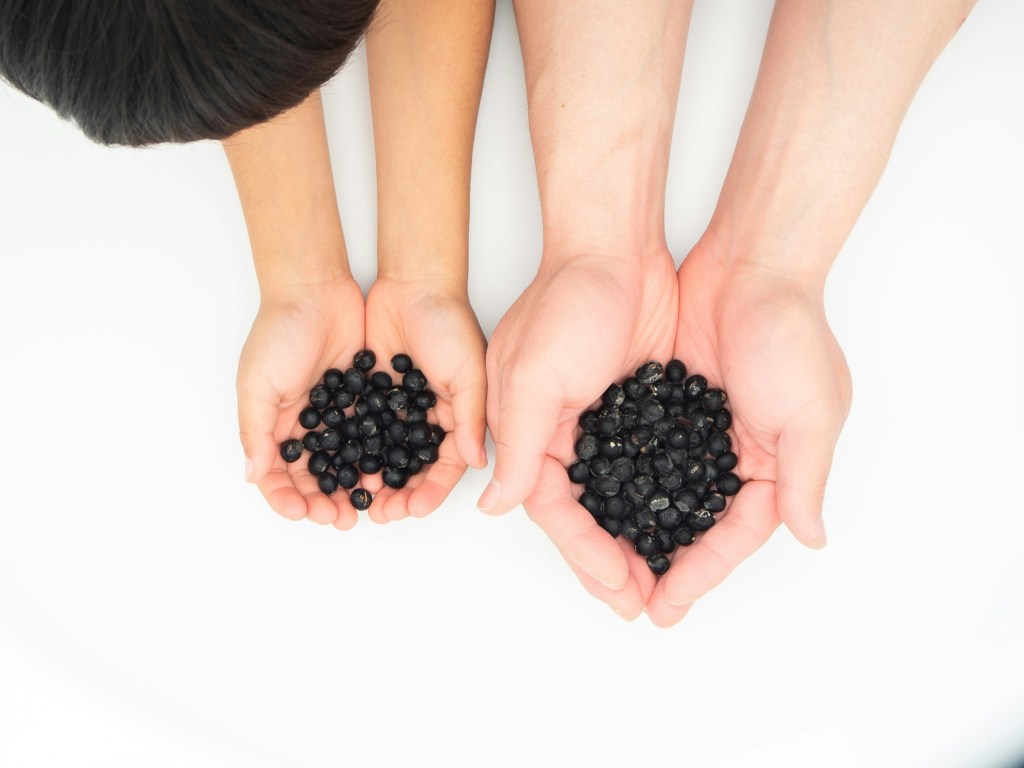
- 黑豆
- 強化早餐穀片
- 堅果與種子(如葵花籽)
- 豬肉
- 全麥麵包與義大利麵
- 大蒜、蔥、韭菜等葱屬植物【26】
處方藥物 Lasix(呋塞米) 與 Adrucil(氟尿嘧啶) 會降低體內的硫胺素水平,因此可能使苯磷硫胺效果減弱【3】。
使用前,務必仔細閱讀補充劑的成分表與營養標示,了解其中成分與含量,並與醫療專業人員討論可能的食物、補充劑或藥物交互作用。
類似補充劑
常見用於矯正硫胺素缺乏的補充劑包括【3】:
- 硫胺素單硝酸鹽
- 硫胺素鹽酸鹽
- 綜合B群補充劑
對糖尿病神經病變可能有益的其他補充劑:
- α-硫辛酸【18】
- 辣椒素【27】
- 薑【28】
- 覆盆子【29】
對阿茲海默症具有研究價值的補充劑:
- 薑黃【30】
- Omega-3 脂肪酸【31】
- 維生素B12【32】
- 維生素E【33】
- 銀杏【34】
- 肌酸【35】
核心重點
- 目前尚無官方建議劑量,使用前應諮詢醫師以獲得個人化指導。
- 苯磷硫胺是一種可提升體內硫胺素水平的補充劑。
- 它可能對糖尿病神經病變與阿茲海默症有幫助,但仍需更多研究。
- 研究中少數出現副作用案例,但發生率極低。
本文翻譯自美國註冊藥師Megan Nunn, PharmD 所撰寫的專欄,並由美國註冊營養師Jamie Johnson, RDN進行醫學審查
參考文獻:
- Sambon M, Wins P, Bettendorff L. Neuroprotective effects of thiamine and precursors with higher bioavailability: focus on benfotiamine and dibenzoylthiamine. Int J Mol Sci. 2021;22(11):5418. doi:10.3390/ijms22115418
- BaylorScott & White Health Systems. What are B1 deficiency symptoms? 9 signs you might need more thiamine.
- National Institutes of Health Office of Dietary Supplements. Thiamin.
- Whitfield KC, Bourassa MW, Adamolekun B, et al. Thiamine deficiency disorders: diagnosis, prevalence, and a roadmap for global control programs. Ann N Y Acad Sci. 2018;1430(1):3-43. doi:10.1111/nyas.13919
- Samprathi M, Mohammad F, M S, Ramachandra P, Vemgal P. Case Report: Fulminant Infantile Beriberi: A Report of Six Cases. Am J Trop Med Hyg. 2021 Apr 19;104(6):2238-2240. doi:10.4269/ajtmh.20-0881
- Shokati Sayyad M, Khanjani MH, Amirbeik M, Seyedabadi M, Talebpour Amiri F, Motamednia V, et al. The protective effect of benfotiamine on gastric ulcers in male rats: an experimental study. J Mol Histol. 2024 Oct;55(5):863-874. doi: 10.1007/s10735-024-10237-x
- Bozic I, Lavrnja I. Thiamine and benfotiamine: Focus on their therapeutic potential. Heliyon. 2023 Nov 7;9(11):e21839. doi:10.1016/j.heliyon.2023.e21839
- Mrowicka M, Mrowicki J, Dragan G, Majsterek I. The importance of thiamine (vitamin B1) in humans. Biosci Rep. 2023 Oct 31;43(10):BSR20230374. doi:10.1042/BSR20230374
- Beltramo E, Mazzeo A, Porta M. Thiamine and diabetes: back to the future? Acta Diabetol. 2021 Nov;58(11):1433-1439. doi:10.1007/s00592-021-01752-4
- National Institutes of Health, National Institute on Aging. What are the signs of Alzheimer’s disease?
- Gibson GE, Luchsinger JA, Cirio R, et al. Benfotiamine and cognitive decline in Alzheimer’s disease: results of a randomized placebo-controlled phase IIa clinical trial. J Alzheimers Dis. 2020;78(3):989-1010. doi:10.3233/JAD-200896
- Pan X, Chen Z, Fei G, et al. Long-term cognitive improvement after benfotiamine administration in patients with alzheimer’s disease. Neurosci Bull. 2016;32(6):591-596. doi:10.1007/s12264-016-0067-0
- Sahu P, Verma HK, Bhaskar L. Alcohol and alcoholism associated neurological disorders: Current updates in a global perspective and recent recommendations. World J Exp Med. 2025 Mar 20;15(1):100402. doi: 10.5493/wjem.v15.i1.100402
- Muley A, Fernandez R, Green H, Muley P. Effect of thiamine supplementation on glycaemic outcomes in adults with type 2 diabetes: a systematic review and meta-analysis. BMJ Open. 2022 Aug 25;12(8):e059834. doi:10.1136/bmjopen-2021-059834
- National Institutes of Health, National Institute of Diabetes and Digestive and Kidney Diseases. What is diabetic neuropathy?
- Saxena S, Mishra N, Cheung G, Sadda SR. Unravelling advanced glycation end products as emerging therapeutic targets in diabetic retinopathy management. Eur J Ophthalmol. 2025 Mar 23:11206721251328562. doi:10.1177/11206721251328562
- Karaganis S, Song XJ. B vitamins as a treatment for diabetic pain and neuropathy. J Clin Pharm Ther. 2021;46(5):1199-1212. doi:10.1111/jcpt.13375
- Ziegler D. Pathogenetic treatments for diabetic peripheral neuropathy. Diabetes Research and Clinical Practice. 2023;206:110764. doi: 10.1016/j.diabres.2023.110764
- Khurana N, James S, Coughlan MT, MacIsaac RJ, Ekinci EI. Novel therapies for kidney disease in people with diabetes. J Clin Endocrinol Metab. 2022;107(1):e1-e24. doi:10.1210/clinem/dgab639
- Kothandan D, Singh DS, Yerrakula G, D B, N P, Santhana Sophia B V, A R, Ramya Vg S, S K, M J. Advanced Glycation End Products-Induced Alzheimer’s Disease and Its Novel Therapeutic Approaches: A Comprehensive Review. Cureus. 2024 May 30;16(5):e61373. doi:10.7759/cureus.61373
- Murkey SP, Agarwal A, Pandit P, Kumar S, Jaiswal A. Unveiling the Spectrum of Ophthalmic Manifestations in Nutritional Deficiencies: A Comprehensive Review. Cureus. 2023 Dec 11;15(12):e50311. doi:10.7759/cureus.50311
- Lee S, Lee S, Jeong M, Jung S, Lee M, Yoo S. The Relationship between Nutrient Intake and Cataracts in the Older Adult Population of Korea. Nutrients. 2022 Nov 23;14(23):4962. doi:10.3390/nu14234962
- Sedaghat F, Ghanavati M, Nezhad Hajian P, Hajishirazi S, Ehteshami M, Rashidkhani B. Nutrient patterns and risk of cataract: a case-control study. Int J Ophthalmol. 2017 Apr 18;10(4):586-592. doi:10.18240/ijo.2017.04.14
- Sheng L, Cao W, Lin P, et al. Safety, tolerability and pharmacokinetics of single and multiple ascending doses of benfotiamine in healthy subjects. Drug Des Devel Ther. 2021;15:1101-1110. doi:10.2147/DDDT.S296197
- National Center for Biotechnology Information. PubChem Compound Summary for CID 3032771, Benfotiamine.
- Allowitz KV, Yoo JJ, Taylor JR, et al. Therapeutic potential of vitamin B1 derivative benfotiamine from diabetes to COVID-19. Future Med Chem. 2022;14(11):809-826. doi:10.4155/fmc-2022-0040
- Dludla PV, Nkambule BB, Cirilli I, et al. Capsaicin, its clinical significance in patients with painful diabetic neuropathy. Biomed Pharmacother. 2022;153:113439. doi:10.1016/j.biopha.2022.113439
- Nwadiugwu MC. Inflammatory activities in type 2 diabetes patients with co-morbid angiopathies and exploring beneficial interventions: a systematic review. Front Public Health. 2021;8:600427. doi:10.3389/fpubh.2020.600427
- Ziegler D, Papanas N, Schnell O, et al. Current concepts in the management of diabetic polyneuropathy. J Diabetes Investig. 2021;12(4):464-475. doi:10.1111/jdi.13401
- Voulgaropoulou SD, van Amelsvoort TAMJ, Prickaerts J, et al. The effect of curcumin on cognition in Alzheimer’s disease and healthy aging: A systematic review of pre-clinical and clinical studies. Brain Research. 2019;1725:146476. doi: 10.1016/j.brainres.2019.146476
- Wei BZ, Li L, Dong CW, Tan CC; Alzheimer’s Disease Neuroimaging Initiative; Xu W. The Relationship of Omega-3 Fatty Acids with Dementia and Cognitive Decline: Evidence from Prospective Cohort Studies of Supplementation, Dietary Intake, and Blood Markers. Am J Clin Nutr. 2023 Jun;117(6):1096-1109. doi:10.1016/j.ajcnut.2023.04.001
- Lauer AA, Grimm HS, Apel B, et al. Mechanistic Link between Vitamin B12 and Alzheimer’s Disease. Biomolecules. 2022 Jan 14;12(1):129. doi: 10.3390/biom12010129
- Browne D, McGuinness B, Woodside JV, McKay GJ. Vitamin E and Alzheimer’s disease: what do we know so far?. Clin Interv Aging. 2019;14:1303-1317. doi:10.2147/CIA.S186760
- Singh SK, Srivastav S, Castellani RJ, Plascencia-Villa G, Perry G. Neuroprotective and Antioxidant Effect of Ginkgo biloba Extract Against AD and Other Neurological Disorders. Neurotherapeutics. 2019;16(3):666-674. doi:10.1007/s13311-019-00767-8
- Roschel H, Gualano B, Ostojic SM, Rawson ES. Creatine supplementation and brain health. Nutrients. 2021;13(2):586. doi:10.3390/nu13020586


發表留言